





The starter motor clicks. Payday is six days away and your checking account holds about $14. What you need right now isn't a lecture on compound interest. You need to pay for the repair without putting it on a credit card you'll spend months digging out of.
That is what an emergency fund is for. Not retirement, not a house deposit, not a holiday. It's the gap between one bad morning and six bad months.
The usual guidance — three to six months of expenses — is sound, and if your rent eats most of your paycheck, it's also unreachable. So set it aside for now. An emergency fund on a low income isn't built in one disciplined month. It's built in $10 and $20 pieces, automatically, until the balance is large enough to change how a bad week feels.
Start With a Goal So Small It Sounds Silly
A $10,000 target is a reason to quit. A $100 target is a reason to start.
Choose a first number you could reach in four to eight weeks without selling anything you depend on. For most people on a tight budget that's $100; if $100 is genuinely out of reach, make it $50. The size matters less than finishing something. That first $100 does more work than people expect — it covers a prescription, a tank of fuel, a replacement school shoe — which means a small problem stays small instead of becoming a credit card balance.
Next comes a few hundred dollars, then one month of essential costs: rent or mortgage, utilities, food, transport, insurance and minimum debt payments. Your fund is measured against that number, not against what you currently spend. The gap between the two is often bigger than people realise.
Automate the Transfer Before You Can Talk Yourself Out of It
Willpower is a poor savings tool. Timing is a better one. Money that never lands in your checking account is money you can't negotiate with.
- Open a separate savings account. Ideally at a different institution from your everyday account, so moving money back takes a day or two rather than a tap.
- Set the transfer for the day after payday. Not the end of the month, when the balance is whatever it is.
- Start absurdly small. $5 to $25 per paycheck is a real start. You can raise it later; you can't raise a transfer you never set up.
- Redirect money when something ends. A paid-off loan, a cancelled subscription, a bill that drops — send the difference to savings that same week, before it blends into spending.
- Protect your checking balance. Keep a small cushion there so an automatic transfer never triggers an overdraft fee.
If your employer allows it, splitting your direct deposit works even better. The decision gets made once instead of every pay cycle.
Where the Money Comes From When There Isn't Any
You don't need a second job to find the first $50. You need to look in the boring places:
- Two subscriptions you forgot about. Cancel them today, not at the end of a billing cycle you'll forget.
- One recurring bill. Call your phone, internet or insurance provider and ask what the cheapest current plan is. It's a short call and the answer is often lower than what you're paying.
- One no-spend category for a month. Takeaway coffee, delivery food, or the corner shop. Pick one, not five.
- Two things you don't use. The unused console, the bike in the hall, the jacket that never fit. Sell them and move the cash straight across.
- Windfalls. Tax refunds, overtime, birthday money, a rebate cheque. Route them to savings the day they arrive.
- The last week before payday. Running food and fuel down deliberately for seven days can free up more than you expect.
Any single one of these feels trivial. Two or three together, repeated for a few months, is how a fund gets past $500 without anyone noticing a sacrifice.
Milestones That Match a Tight Budget
$100: stop the smallest disasters
Prescriptions, a school fee, a bus fare while the car is in the shop. This stage is less about the amount and more about proving the account grows.
$500: handle an ordinary bad day
A tyre, a plumbing repair, an urgent vet visit, a phone you need for work. Most one-off emergencies land near this figure, and paying cash keeps you out of debt.
One month of essentials: breathe
If income stopped tomorrow, you'd have a month to sort it out. That's a real threshold.
Three months: the long game
This is the traditional target and it may take a couple of years. That's fine. The account doesn't expire.
Where to Keep Emergency Cash
Emergency money needs three qualities: safe, boring and reachable within a day or two. Not reachable in four seconds.
- A separate savings account. A high-yield savings account is a reasonable home. Rates move, so compare occasionally rather than chasing every change.
- A money market deposit account at a bank or credit union, if it pays more than your current savings and allows withdrawals without penalty.
- A small amount of cash at home — enough for a night or two of essentials if cards or transfers fail.
Check that the account is insured: FDIC at a bank, NCUA at a credit union, up to the standard federal limit per depositor, per institution.
What to avoid: investments, because you may be forced to sell at the worst possible moment; term deposits with early-withdrawal penalties; retirement accounts, which come with tax consequences and paperwork; and any account attached to the debit card in your wallet.
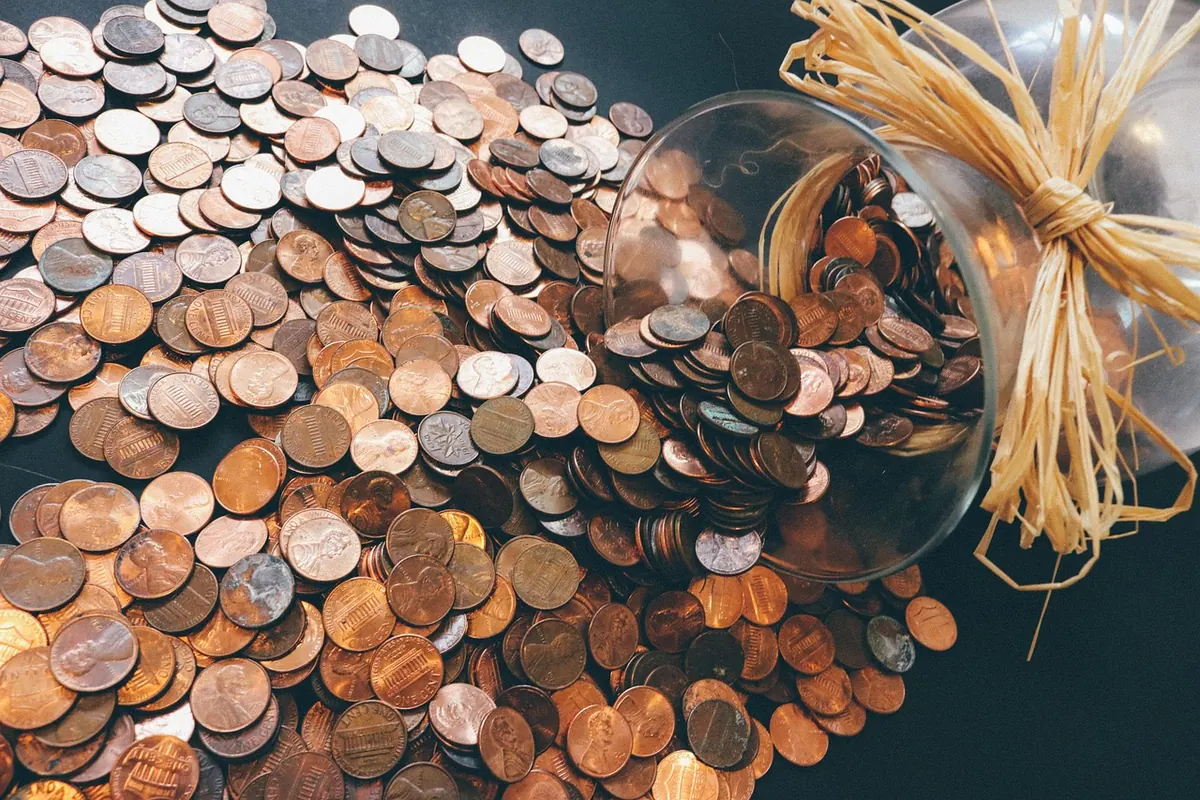
Photo: Olichel / Pixabay