





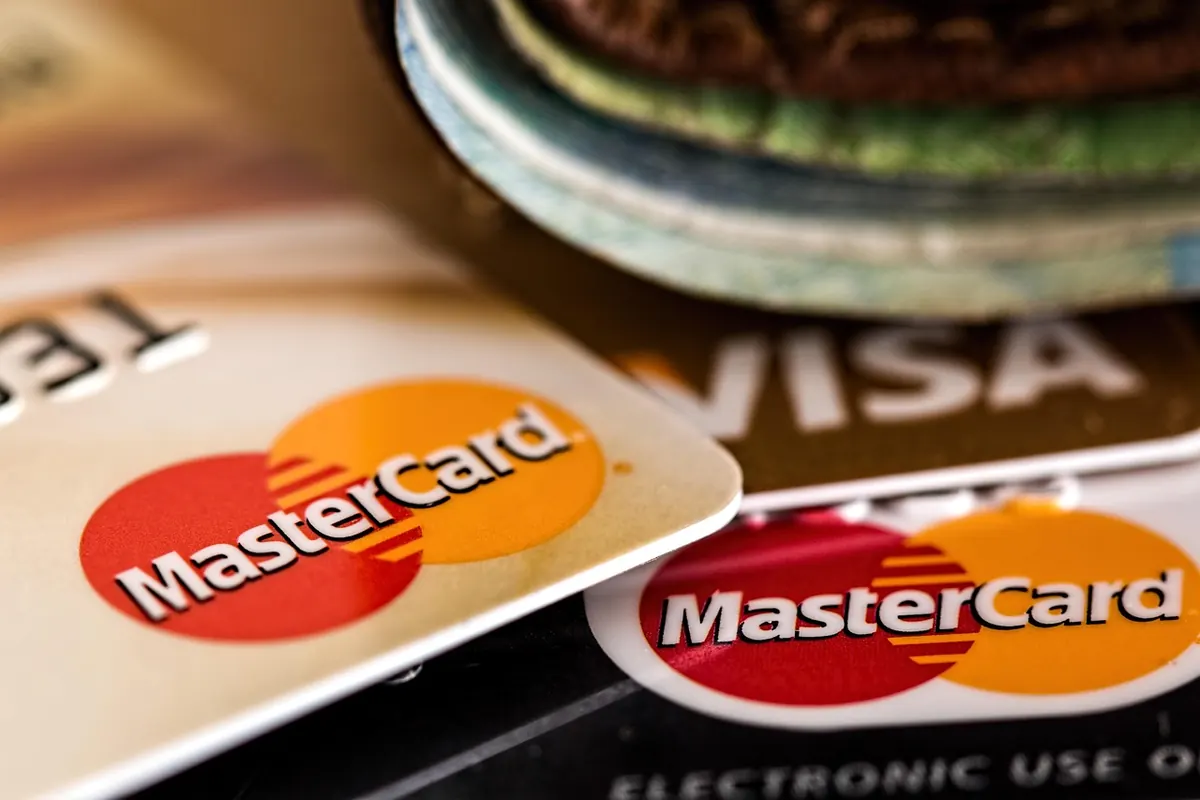
A credit card is either a tool or a trap, and the difference usually comes down to one habit: paying the statement balance in full every month. But before any of that matters, you have to get approved. If your credit file is thin, damaged, or completely blank, the question gets harder. Should you hand over a deposit for a secured card, or apply for an unsecured card and hope the issuer says yes?
The answer depends less on which card is "better" in the abstract and more on what your credit profile can realistically get you today. Here's how the two compare on the things that actually change your outcome.
How Secured Credit Cards Work
A secured card requires a cash deposit, often somewhere between $200 and $500, and that deposit becomes your credit limit. It is not a fee. The money sits in an account, and you generally get it back when you close the card in good standing or upgrade to an unsecured version.
Because the issuer is holding collateral, its risk drops. That's why secured cards are available to people with no credit history, recent collections, or a bankruptcy in the past few years. Approval is closer to a formality than a judgment call.
A few practical details worth knowing before you apply:
- The deposit usually equals the limit, though some issuers let you add more later to raise it.
- Many issuers review the account after six to twelve months of on-time payments and may return the deposit or graduate you to an unsecured card.
- Reporting to all three major bureaus is what makes the card useful. Confirm that before you apply, because a card that doesn't report does nothing for your file.
How Unsecured Credit Cards Work
No deposit. The issuer is trusting your credit history instead, and that trust is graded. With several years of history and a strong score, you can land a rewards card with a generous limit. With a thin file, your realistic options are student cards, store cards, or starter cards designed for people beginning to build credit.
Those starter cards come with tradeoffs: low limits, high interest rates, and sometimes an annual fee. They can still be solid credit-building tools if you use them lightly and pay in full. What you want to avoid are cards that charge a large setup or program fee before the account even opens. If a fee eats most of your starting limit, the math rarely works in your favor.
Approval Odds: Where the Real Difference Shows
This is the sharpest divide between the two.
- Secured: Approval is close to automatic for most applicants who can fund the deposit and pass identity verification. Income still matters, since issuers want evidence you can handle payments.
- Unsecured: Approval depends on your score, income, existing debts, and recent inquiries. Thin files get declined, and every declined application adds a hard inquiry that dings your score a little more.
If you've been turned down twice in the past six months, stop applying. A secured card gets you a positive account on your report without another rejection, and you can revisit unsecured cards once that account has some age on it.
Fees and Costs to Compare
Look past the annual fee. The full cost picture matters more.
- Deposit: Refundable, but it ties up cash. Two hundred dollars you can't spend is a genuine cost when money is tight.
- Annual fee: Many secured cards run $0 to $39; some unsecured starter cards go higher.
- Interest rate: Both types run high for people with lower scores. That's irrelevant if you pay in full and punishing if you don't.
- Setup or program fees: A red flag on unsecured cards, particularly when they consume most of your initial limit.
- Limit increases: Secured cards usually require a bigger deposit. Unsecured cards may raise your limit automatically with good behavior.
Which One Builds Credit Faster?
Neither, on its own. Your score responds to the same inputs either way: on-time payments, balances that stay low relative to your limits, account age, and a mix of credit types. A secured card that reports to all three bureaus does exactly the same work as an unsecured card.
What differs is how much breathing room you have to keep utilization low. If your secured limit is $200 and you spend $150, you're at 75% utilization, which hurts. Spending $30 keeps you under 10%. With a $1,000 unsecured limit, that same $30 purchase is effortless. So a higher limit, from either card type, makes the whole process easier.
A simple utilization trick
Put one small recurring bill on the card, like a streaming subscription or a phone plan, and set autopay for the full statement balance. You get a tiny balance, an on-time payment every month, and low utilization without thinking about it. Run everything else through your debit card until your limit grows.
How to Decide
Work through these questions honestly:
- Can I set aside a deposit and leave it untouched for a year? If yes, a secured card is the low-drama route.
- Do I have at least six months of clean credit history and a decent score? Then unsecured starter and student cards are worth a try.
- Does the card report to all three bureaus? If it charges fees and doesn't report, walk away.
- Can I pay in full every month? If the answer is no, neither card is a good idea right now. Fix the cash flow first.
A Sensible Path Forward
For most people starting from zero, the sequence looks like this: open a secured card with a reputable issuer and the lowest fee you can find, fund the smallest deposit you're comfortable with, and put one small recurring charge on it. Pay in full automatically. After six to twelve months, check your score and ask the issuer about graduating to an unsecured account or getting your deposit back. Once you're there, keep the account open even if you rarely use it, because its age helps you.
The card type was never the deciding factor. The habits around it were. If you're rebuilding after serious credit trouble and want a plan tailored to your situation, a nonprofit credit counseling service can review your full picture at low or no cost, and it's worth the conversation before you apply for anything new.
Photo: stevepb / Pixabay